A Palimpsest of Renewal
Description
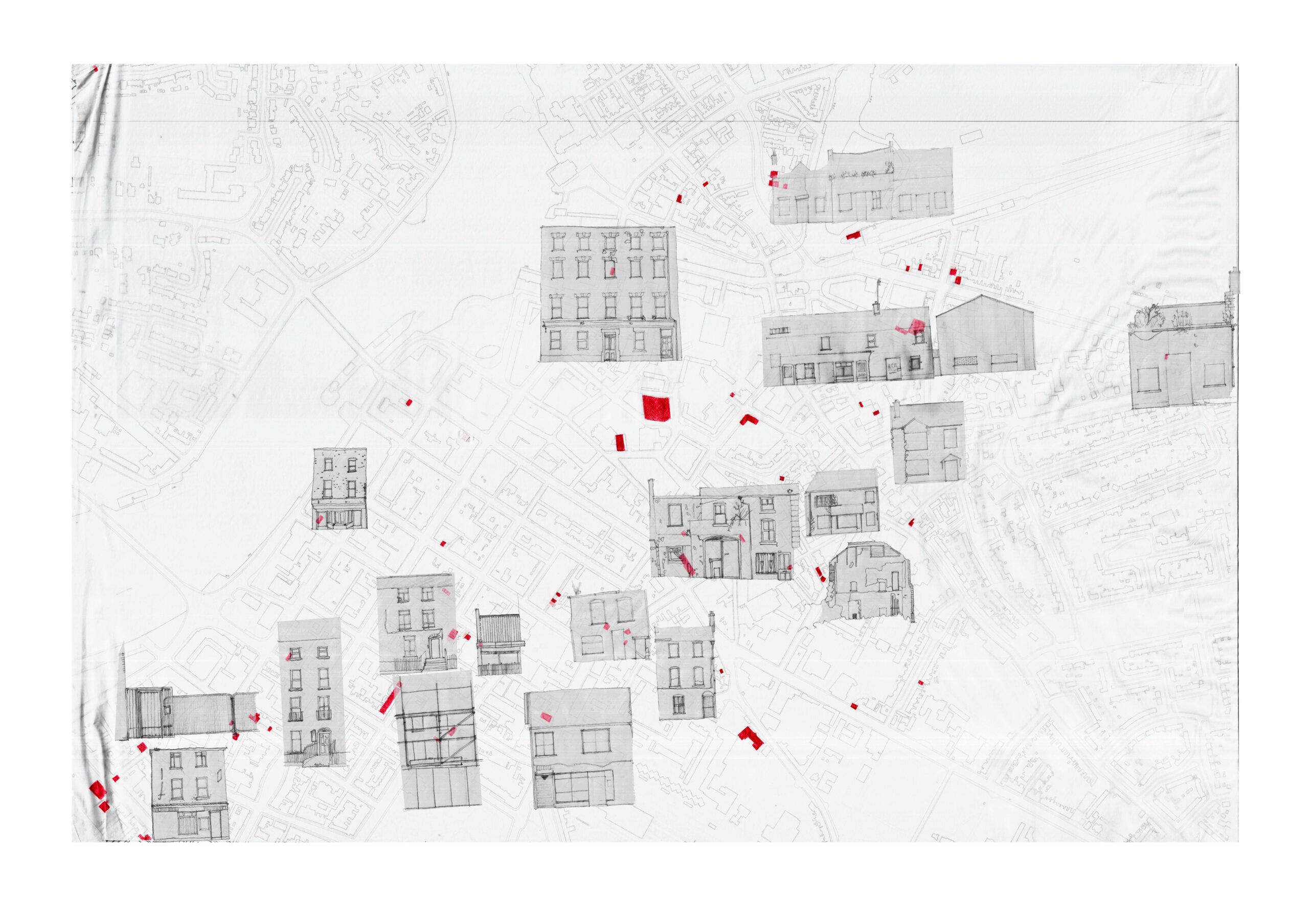
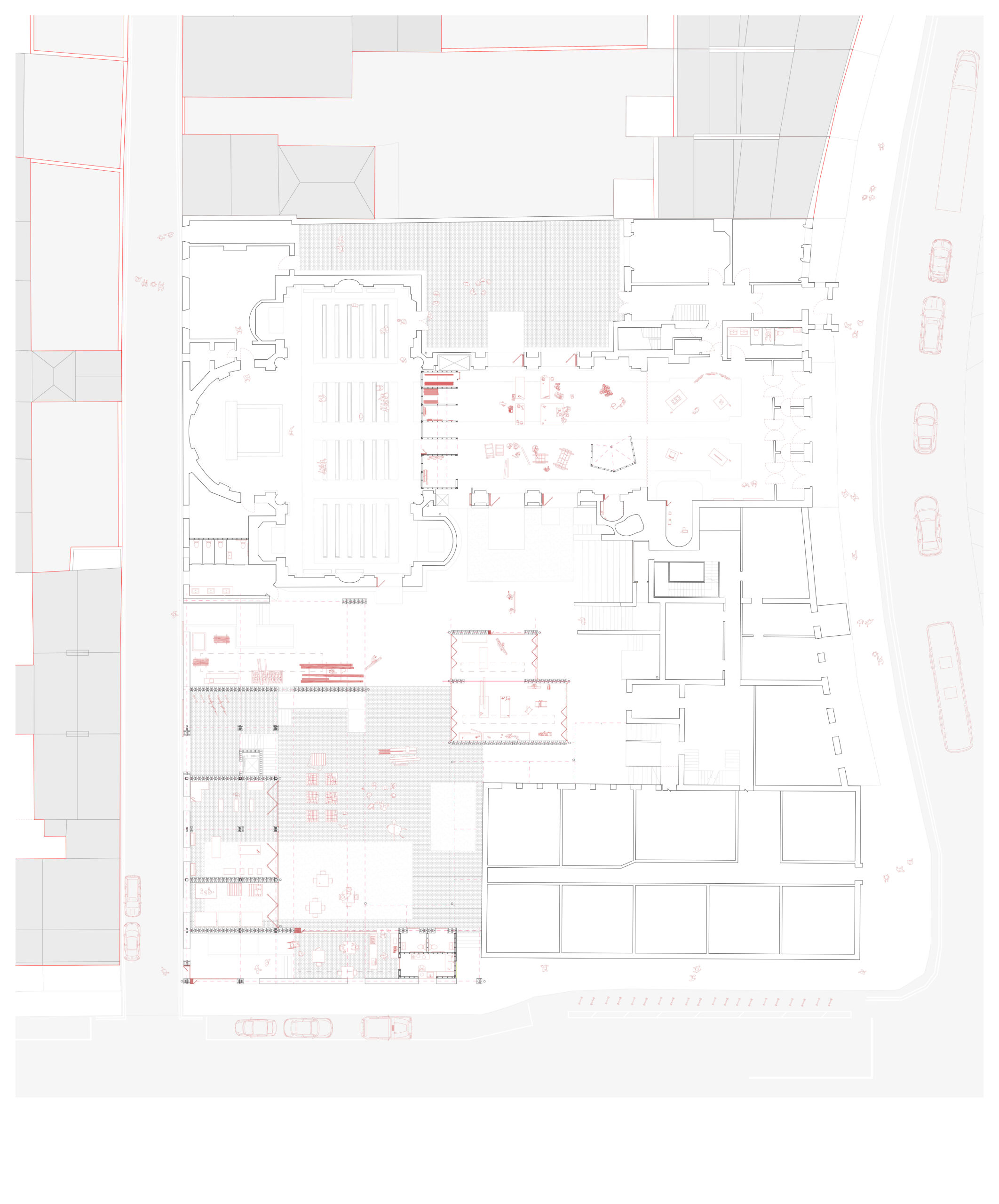
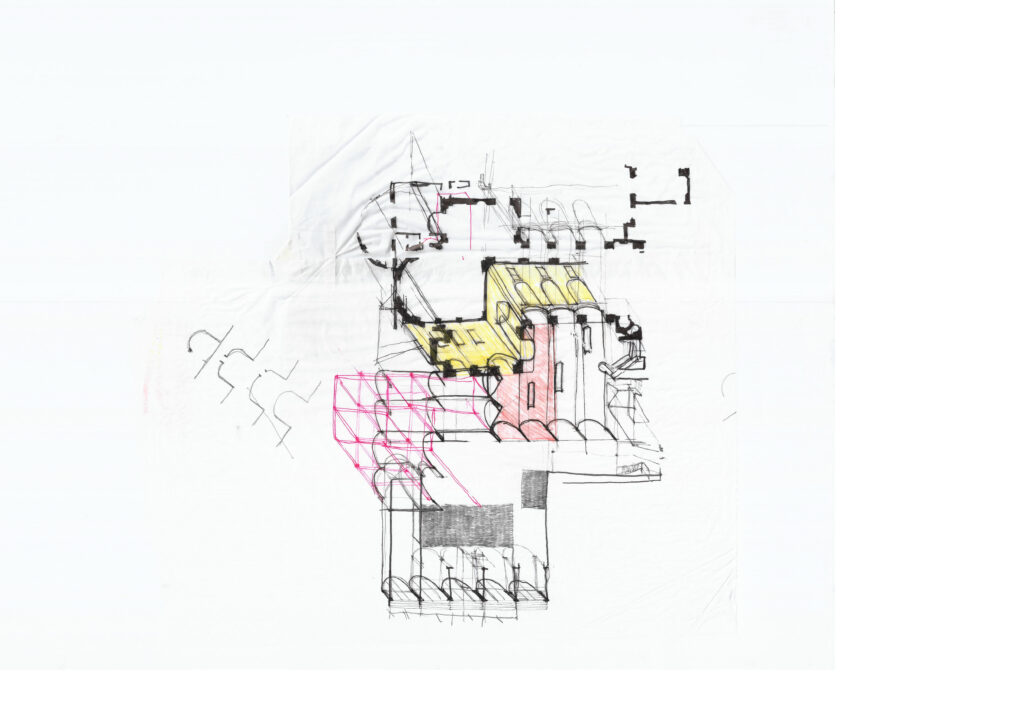
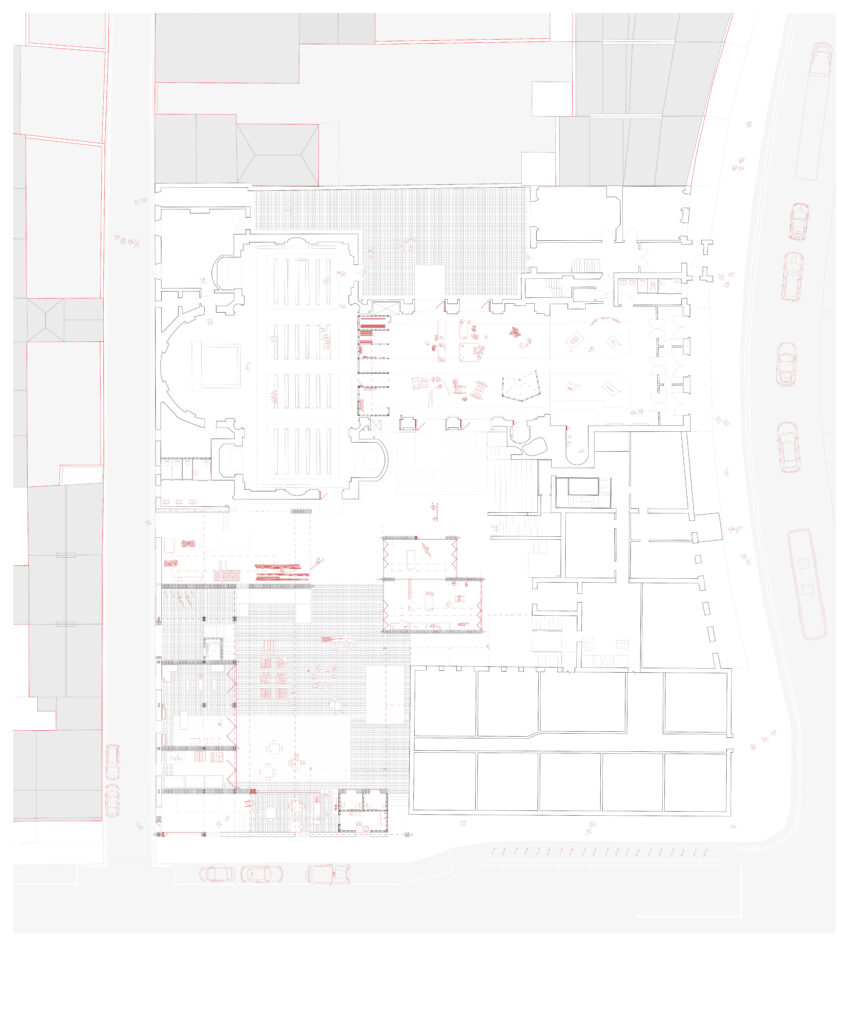
This thesis addresses the longed-for revitalisation of neglected Georgian heritage buildings through a mode of material sorting and reuse. The site sits at the lower end of the Georgian Newtown Pery Grid, founded by a cluster of dereliction within the city. Jesuit Lane becomes an organised, brick-vaulted matrix in which workshops that contribute toward a self-repairing city can take place. It integrates existing institutions such as the Sacred Heart Church and the Limerick Tutorial College, embedding itself within an already active civic fabric.
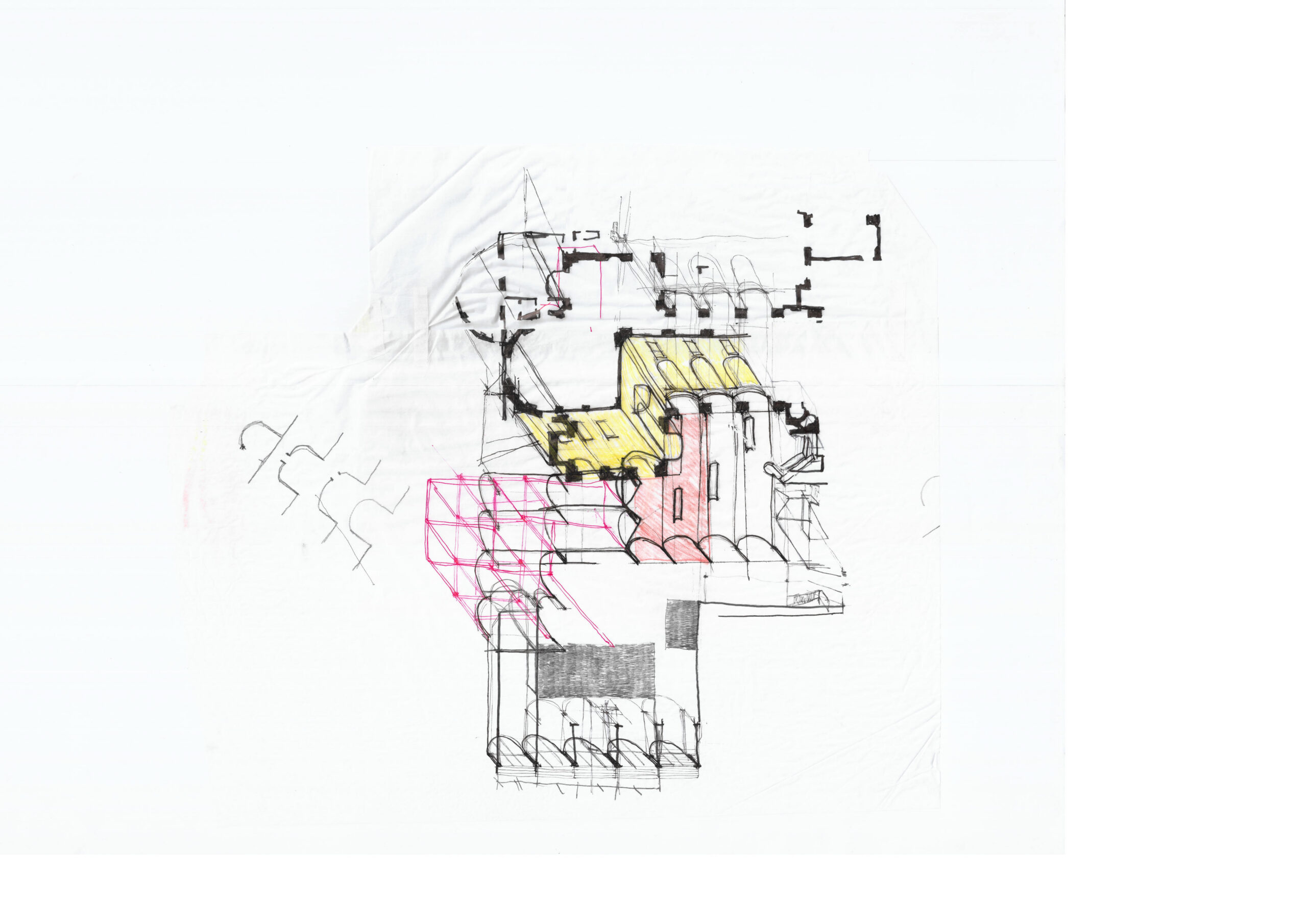
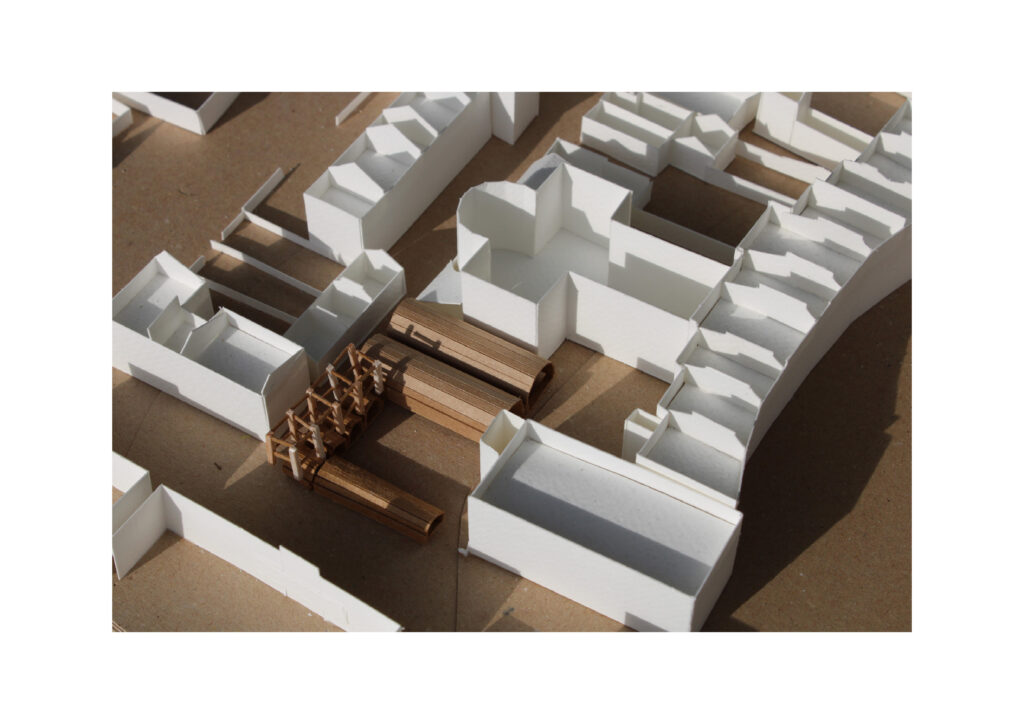
The programme unfolds within a realm of brick vaults extracted from the very city in which it stands. It includes educative and reparative workshops, a large church assembly hall, and material storage facilities, all emphasising the reuse of salvaged and redundant materials sourced from surrounding areas. Redundant materials become the central subject of the project, shifting from waste to resource. The site operates as both a hub and a form of spolia — a place where fragments of the city are gathered, catalogued, and reintroduced — enticing the city to repair itself through incremental, smaller-scale acts of intervention.
This thesis explores architecture as a provocation, or re-provocation, of our inner visionary selves. It questions current approaches to renewal within the built environment and challenges the tendency toward replacement over repair. This response lies in the mode of sensitive material sorting, with particular attention given to materials already embedded within the existing fabric. By recognising the latent value in what is already present, the project seeks to step toward a more sustainable architectural output. Ultimately, it aims to portray a world in which one empathises with the material before them — where architecture begins not with extraction, but with recognition, care, and reuse. The city becomes self-repairing.
Location
4 Newenham St, Prior's-Land, Limerick, V94 KF60, Ireland
Map