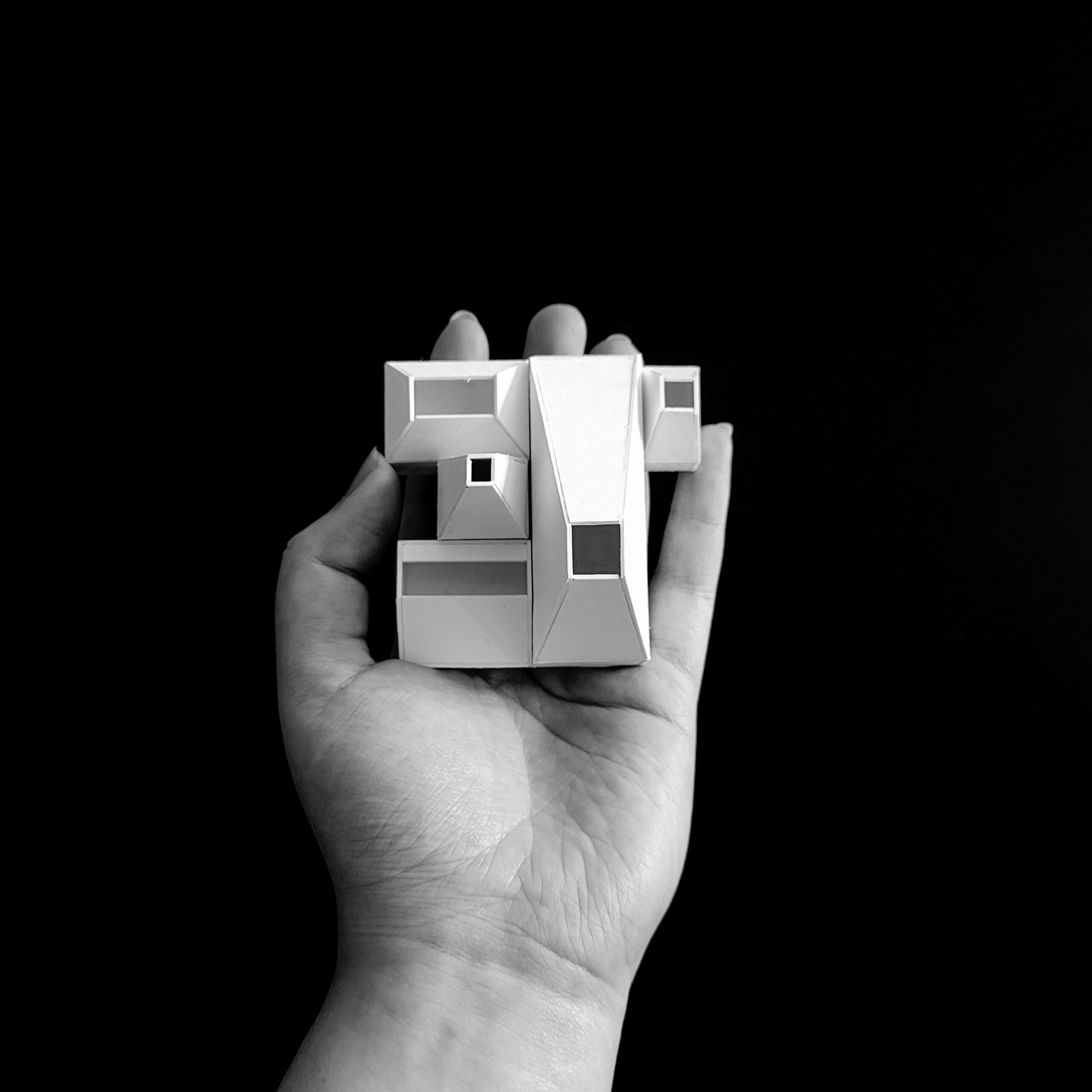
Ag cnusaigh cois cladaigh

This project and brief are informed by the historical context of the Claddagh, the material flows that are existing within the community, the role of craft and skills that existed in the community for hundreds of years. These skills have all but been forgotten in the modern community. Boat building, fishing, weaving, thatching, carpentry, vernacular construction methods. The culture and customs of the Claddagh are unique within an Irish context; a gaelic enclave with a culture distinct from that of the city of Galway, a local economy and industry built around the fishing of the bay, along with customs and rituals that are also endemic to this fishing village on the Eastern banks of the River Corrib. The Claddagh Village is located at the estuary of the River Corrib, where the River meets the Bay beyond. Renowned for their industrious spirit the people of the Claddagh applied the skills honed from the fishing industry in alternative manner, with small industry’s appearing in the Village in the late 19th century. Setting itself within a hypothetical present day, this project imagines that the Claddagh Village was, in-part spared from demolition and imagines what would become of this village today. Examining the crafts and industries of the village, this project focuses on the ‘Rafferty Woolen Mills’, located in the Garrai, the last area of the Claddagh to be demolished in the late 1940’s. This is the context which this project is set within, provocatively re-imagining the fate of the Garrai and of that of the Claddagh village. This thesis does not endeavor to rebuild or to re-establish the Claddagh. Instead this thesis employs a ficto-critical narrative to shed light on a lost community, a lost culture and to illustrate how lessons for today’s world can be gleaned from the stories of the past.

Rathlin Island: A Landscape Repository. How do we archive the landscape?

How do you archive a landscape? The story of Rathlin Island told through three characters: The Maker, The Cartographer and The Performer; evolves into three sensitive architectural programmes focused on the islands’ ecology. Telling their story through an intimate series of drawings, this project explores the hidden repositories of Irish Islands. Rathlin Island is made up of a wealth of fragments woven into its landscape and history. Three characters, celebrating island craft, cartography and performance, form three sensitive architectural programmes, scattered amongst the landscape like upturned timber boats, wrecked from the sea. The buildings act as an Island Archive, looking both to the past and the future, opening up new interpretations and possibilities that discuss the need to document landscapes through memory, making and cartography whilst highlighting the fragility of nature. The thesis enriches the journey to the South of Rathlin, encouraging reflection and appreciation for our delicate ecologies and island landscapes.